One month into the challenge, we’re loving hearing about the books you’ve picked up so far for the January and February themes. However, don’t panic if you’re still working on your January book – you can take the challenge at your own pace.
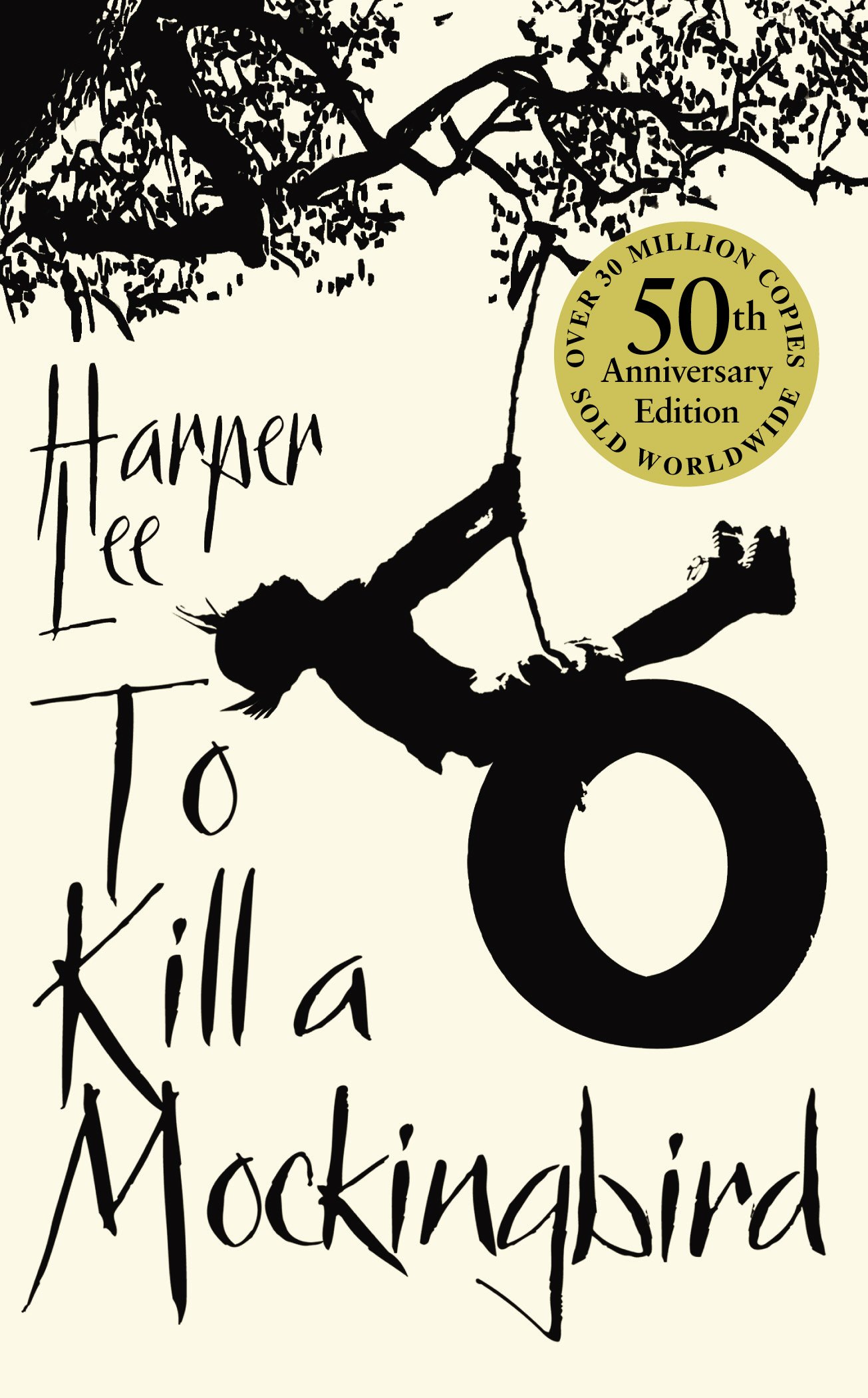
January’s theme was to read a book that has been adapted into a film, and East Grinstead reader Maggie read To Kill a Mockingbird, the 1960 modern classic by Harper Lee. The book was quickly adapted into a film, which was released in 1962 and starred Gregory Peck as Atticus Finch. The book has twice been adapted into a play, and a play adaptation is due to transfer from Broadway to the West End’s Gielgud Theatre in 2020, starring Rhys Ifans.
Check out Maggie’s review below!
Please be aware this book addresses topics that some readers might find distressing, including racism and sexual abuse.
Though I have been aware of To Kill a Mockingbird for many decades, I had never read it until this year. The Mid-Sussex Reading Challenge brought it to mind because of the suggested genre this month, a book that has been made into a film. I have now experienced both.
I found it much more enjoyable to begin with than I had imagined because I do like stories told from the perspective of a child growing up, in this case Scout Finch; as an adult reader you have greater knowledge of the world than she does.
The darker theme of racism in the southern states of America in the 1930s soon rears its head but the story still moves on at a pace as her father, Atticus, defends a black man falsely accused of raping a young white woman.
One aspect of the book I did not like was the slowing down of the pace when Scout has tea with the townswomen. It felt rather like padding.
The dated language about people of colour does feel uncomfortable but is within the historic context.
I found the end of the novel unpredictable with some interesting twists and turns. It made me want to watch the black and white film with Gregory Peck playing the part of the lawyer which I was also able to borrow from the library. Again, the style of film-making feels dated to a modern viewer but it was well worth watching as the characterisation is excellent and the narrative follows the book in a straightforward way unlike many modern book-to-film adaptations such as Little Women!
The theme ‘to kill a mockingbird is a sin’ can be readily seen in two or three places in the novel which I won’t detail here for fear of creating a spoiler. Needless to say, I now want to read Harper Lee’s follow-up novel Go Set a Watchman which I believe is set some years later once Scout has grown up.
Has Maggie inspired you to give To Kill a Mockingbird a go? Reserve your copy of the book to collect from any West Sussex library, or grab a copy of the film for a small charge. If you’ve already read and loved To Kill a Mockingbird and fancy giving the 2015 sequel Go Set a Watchman a go, we’ve got plenty of copies to request!
Let us know what you’ve been reading recently by submitting a review, posting in our Facebook group or chatting to us on Twitter using the hashtag #MidSussexReadingChallenge.
The views expressed in this review are those of the writer and do not necessarily reflect the views of West Sussex Libraries.
 Mid Sussex Reading Challenge 2020
Scout is a ‘tomboy’ but this is one of those book covers that takes liberties as if the illustrator has not read the book! Scout climbs inside the tyre and gets bowled along down the road in it rather than swinging in a tyre on a tree. I am going to look out for tickets for the forthcoming stage production.
LikeLike